Position Description
Προγραμματισμός μονάδων λέιζερ
Για το πλήρες κείμενο της πρόσκλησης ακολουθήστε τον σύνδεσμο 'Related Documents'
Required Qualifications
- Πτυχίο ή/και μεταπτυχιακό τίτλο στα τα πεδία Επιστημών Μηχανικού, Ηλεκτρολογίας ή πληροφορικής
- Πρότερη εμπειρία σε θέματα προγραμματισμού μονάδων λέιζερ
- Εμπειρία στη χρήση μικροελεγκτών σε πειραματικές διατάξεις
- Γνώση Αγγλικής γλώσσας
Application Procedure
Στο φάκελο υποβολής της πρότασης θα πρέπει να εμπεριέχονται τα ακόλουθα:
- Αίτηση (Form Greek στην αριστερή στήλη) με αναφορά στον κωδικό της θέσης και στο όνομα του προγράμματος
- Αναλυτικό Βιογραφικό Σημείωμα
- Ευκρινή φωτοαντίγραφα τίτλων σπουδών
ΥΠΟΒΟΛΗ ΠΡΟΤΑΣΕΩΝ
Οι ενδιαφερόμενοι καλούνται να υποβάλουν τις αιτήσεις τους και όλα τα απαραίτητα δικαιολογητικά, ηλεκτρονικά στη διεύθυνση hr@iesl.forth.gr με κοινοποίηση (cc): στον Δρ Στ. Πισσαδάκη (pissas@iesl.forth.gr). Οι αιτήσεις θα πρέπει να αποσταλούν με την ένδειξη: «Αίτηση στο πλαίσιο του προγράμματος ΦΑΕΘΩΝ, της πρόσκλησης εκδήλωσης ενδιαφέροντος με Α.Π. … και κωδικό θέσης … » (όπως αυτός αναφέρεται στον Πίνακα του Παραρτήματος).
Appointment Duration
6 μήνεςPosition Description
CAD of optomechanical components
For the full announcement, follow the link "Related Documents"
Required Qualifications
- BSc degree in Engineering
- Experience in CAD design and programs for manufacturing
- Experience in programming languages, such as C, C++ and g-code
- Experience in quality control
Application Procedure
Interested candidates who meet the aforementioned requirements are kindly asked to submit their applications with cc to the Scientific Responsible, Dr Emmanuel Stratakis (stratak@iesl.forth.gr).
In order to be considered, the application must include:
- Application Form (Form Greek or Form English to the left)
- Detailed curriculum vitae (CV) of the candidate
- Scanned Copies of academic titles
Appointment Duration
12 monthsPosition Description
- Ανάλυση δεδομένων του έργου
- Διάχυση αποτελεσμάτων του έργου
- Πειράματα και μετρήσεις όπως απαιτείται από το Τεχνικό Δελτίο του έργου
- Οποιαδήποτε άλλη εργασία, σχετική με το έργο, του ανατεθεί από τον Επιστημονικό Υπεύθυνο του έργου
Για το πλήρες κείμενο της πρόσκλησης ακολουθήστε τον σύνδεσμο 'Related Documents'
Required Qualifications
ΘΕΣΗ 12δ
- Πτυχίο Σχολής Θετικών Επιστημών ή συναφούς σχολής [απαιτείται απλό φωτοαντίγραφο πτυχίου]
- Εγγεγραμμένος/η σε πρόγραμμα Master/μεταπτυχιακό πρόγραμμα ημεδαπής
- Εμπειρία σε εργαστήριο οπτικής ή laser
- Εμπειρία σε προγραμματισμό και ανάλυση δεδομένων με το πρόγραμμα MATLAB
- Εμπειρία σε προγραμματισμό με Python
ΘΕΣΗ 12ε
- Πτυχίο Σχολής Θετικών Επιστημών ή συναφούς σχολής [απαιτείται απλό φωτοαντίγραφο πτυχίου]
- Εγγεγραμμένος/η σε πρόγραμμα Master/μεταπτυχιακό πρόγραμμα ημεδαπής
- Εμπειρία σε προγραμματισμό και ανάλυση δεδομένων με το πρόγραμμα MATLAB
- Εμπειρία σε προγραμματισμό με Python
Application Procedure
Στο φάκελο υποβολής της πρότασης θα πρέπει να εμπεριέχονται τα ακόλουθα:
- Αίτηση (Form Greek στην αριστερή στήλη) με αναφορά στον κωδικό της θέσης και στο όνομα του προγράμματος
- Αναλυτικό Βιογραφικό Σημείωμα
- Ευκρινή φωτοαντίγραφα τίτλων σπουδών
- Πρόσφατη βεβαίωση σπουδών μεταπτυχιακού φοιτητή
ΥΠΟΒΟΛΗ ΠΡΟΤΑΣΕΩΝ
Οι ενδιαφερόμενοι καλούνται να υποβάλουν τις αιτήσεις τους και όλα τα απαραίτητα δικαιολογητικά, ηλεκτρονικά στη διεύθυνση hr@iesl.forth.gr με κοινοποίηση (cc): στον Δρ Μ. Βελεγράκη (vele@iesl.forth.gr). Οι αιτήσεις θα πρέπει να αποσταλούν με την ένδειξη: «Αίτηση στο πλαίσιο του προγράμματος OLiPoT, της πρόσκλησης εκδήλωσης ενδιαφέροντος με Α.Π. … και κωδικό θέσης … » (όπως αυτός αναφέρεται στον Πίνακα του Παραρτήματος).
Appointment Duration
5 μήνεςPosition Description
Development of quantum gates and quantum simulators with strongly-interacting Rydberg atoms controlled by lasers. This theoretical research will involve close interactions with several theoretical and experimental partners from Europe.
For the full announcement, follow the link "Related Documents"
Related Project
EuRyQa -Required Qualifications
- PhD in the field related to the subject of the position (quantum optics, quantum information or similar)
- Relevant work experience
- Publications on the subjects relevant to the project
- Excellent command of the English language
Desirable Qualifications
- Good background in quantum theory
- Computer and numerical programming skills
- Experience in interacting with experimentalists
Application Procedure
Interested candidates who meet the aforementioned requirements are kindly asked to submit their applications to the address (hr@iesl.forth.gr), with cc to the Scientific Coordinator Dr David Petrosyan (dap@iesl.forth.gr).
In order to be considered, the application must include:
- Application Form (Form Greek or Form English to the left)
- Detailed curriculum vitae (CV) of the candidate
- Scanned Copies of academic titles
Appointment Duration
12 monthsFunding

To: 10/11/2022 14:00
Halide perovskite semiconductors can merge the highly efficient operational principles of conventional inorganic semiconductors with the low‑temperature solution processability of emerging organic and hybrid materials, offering a promising route towards cheaply generating electricity as well as light. Following a surge of interest in this class of materials, research on halide perovskite nanocrystals (NCs) has gathered momentum in the last years. While most of the emphasis has been put on CsPbX3 perovskite NCs, more recently the so-called double perovskite NCs, having chemical formula A+2B+B3+X6, have been identified as possible alternative materials, together with various other metal halides structures and compositions, often doped with different elements. This talk will also discuss the research efforts of our group on these materials. I will highlight how for example halide double perovskite NCs are less surface tolerant than the corresponding Pb-based perovskites. Other topics that will be covered are the role of surface ligands on stabilizing the NCs (including those with alloy compositions), doping, and our ongoing research on various other metal halides (for example the Mn-based ones). I will also show our recent results on the synthesis and advanced characterization of heterostructured nanocrystals in which one domain is a lead chalcohalide and the other domain is a cesium lead halide perovskite.
To: 09/11/2022 14:00
Every few seconds, each of us exhales a rich cocktail of gaseous chemicals into our immediate surroundings. This mixture is quantitatively dominated by nitrogen (74.5 %), oxygen (13.7 %), carbon dioxide (5.3 %) and water vapour (~6 %), but it is the remaining 1 % fraction that earns increasing scientific and medical interest. At these trace levels, exhaled breath is a complex mixture of volatile compounds that derive from internal biochemical processes and can provide potential indications of physiological status, environmental burden, and disease. This lecture will introduce the concept of non-invasive breath analysis as a means for exploring physiological state. After a brief historical overview of detection of disease ‘on the breath’, the talk will introduce state-of-the-art sampling methodologies and analytical technologies, from lab-scale instrumentation to sensor-based devices, and review established breath tests for biomarker detection. The lecture will conclude with a look at current challenges and a prospective outlook of this innovative application in health and disease diagnostics.
Position Description
Μη καταστροφικός χαρακτηρισμός του αριθμού ατόμων υπέρψυχρου νέφους με ακρίβεια στο επίπεδο του θορύβου βολής.
Θα αναπτυχθεί μια διάταξη για τη μέτρηση του αριθμού ατόμων σε ένα υπέρψυχρο ατομικό νέφος χωρίς αύξηση της θερμοκρασίας του. Η μέτρηση βασίζεται στο φαινόμενο Faraday, όπου το φως υπόκειται σε οπτική περιστροφή καθώς διαδίδεται μέσα από ένα σύνολο ατόμων. Θα πραγματοποιηθούν τροποποιήσεις σε μια υπάρχουσα διάταξη που θα μας επιτρέψουν να χαρακτηρίσουμε τον αριθμό ατόμων με ακρίβεια καλύτερη από το επίπεδο θορύβου-βολής. Αυτές περιλαμβάνουν: στροβοσκοπική διαμόρφωση της οπτικής δέσμης που χρησιμοποιείται στην ανίχνευση, και την εισαγωγή μιας οπτικής κοιλότητας για την αύξηση της αλληλεπίδρασης ατόμου-φωτός. Επιπλέον, θα επιδιωχθούν βελτιώσεις στη διαδικασία παραγωγής του υπέρψυχρου νέφους, προκειμένου να επιτευχθεί πιο γρήγορη και αξιόπιστη παραγωγή ατομικών νεφών με μεγαλύτερο αριθμό ατόμων σε σχέση με αυτά που μπορούν να παραχθούν αυτή τη στιγμή στο εργαστήριό μας
Για το πλήρες κείμενο της πρόσκλησης ακολουθήστε τον σύνδεσμο 'Related Documents'
Related Project
QCAT -Required Qualifications
- Μεταπτυχιακό Φυσικής
- Ερευνητική εμπειρία στο αντικείμενο του έργου
Desirable Qualifications
- Πειραματική ερευνητική εμπειρία σε ατομική φυσική
Application Procedure
Στο φάκελο υποβολής της πρότασης θα πρέπει να εμπεριέχονται τα ακόλουθα:
- Αίτηση (Form Greek στην αριστερή στήλη) με αναφορά στον κωδικό της θέσης και στο όνομα του προγράμματος
- Αναλυτικό Βιογραφικό Σημείωμα
- Ευκρινή φωτοαντίγραφα τίτλων σπουδών
- Πρόσφατη βεβαίωση σπουδών υποψήφιου διδάκτορα
ΥΠΟΒΟΛΗ ΠΡΟΤΑΣΕΩΝ
Οι ενδιαφερόμενοι καλούνται να υποβάλουν τις αιτήσεις τους και όλα τα απαραίτητα δικαιολογητικά, ηλεκτρονικά στη διεύθυνση hr@iesl.forth.gr με κοινοποίηση (cc): στον Δρ Γ. Βασιλάκη (gvasilak@iesl.forth.gr). Οι αιτήσεις θα πρέπει να αποσταλούν με την ένδειξη: «Αίτηση στο πλαίσιο του προγράμματος QCAT, της πρόσκλησης εκδήλωσης ενδιαφέροντος με Α.Π. … και κωδικό θέσης … » (όπως αυτός αναφέρεται στον Πίνακα του Παραρτήματος).
Appointment Duration
16 μήνεςFunding

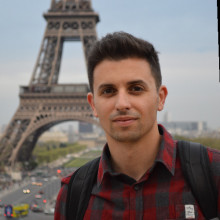
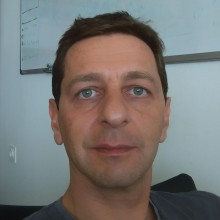
Ioannis Paradeisanos obtained his B.Sc. in 2012 from the University of Crete in Greece. In September 2014, he completed his Masters’ studies in micro-optoelectronics at the Physics department of the University of Crete and in March 2018 he obtained his Ph.D. degree from the same department. During his Ph.D. dissertation he studied the physics of different excitonic species in atomically thin semiconductors. After that, he moved as a postdoctoral research associate to the University of Cambridge, where he worked on the optical and vibrational properties of layered materials. From October 2019 to September 2022 he was a member of the Quantum Optoelectronics group in Toulouse to study the optical properties of transition metal dichalcogenide monolayers and their heterostructures. In October 2022 . In November 2025, he was elected Assistant Professor in the Department of Materials Science and Engineering at the University of Crete and in January 2026 he became an Affiliated Faculty Member of IESL/FORTH.he moved to Crete and IESL/FORTH with a financial support by the Hellenic Foundation for Research and Innovation (H.F.R.I.) under the “3rd Call for H.F.R.I. Research Projects to support Post-Doctoral Researchers.
Education
- 2018, Ph. D. in Exciton Physics, Physics Department, University of Crete, Greece.
- 2014, M. Sc in Micro-Optoelectronics, Physics Department, University of Crete, Greece.
- 2012, B. Sc, Department of Materials Science & Technology, University of Crete, Greece.
Career
- 10/2022 - Today, H.F.R.I. Research Fellow, FORTH-IESL, Greece
- 10/2019 - 09/2022, Senior Research Associate, Quantum Optoelectronics Group, INSA/CNRS, Toulouse, France
- 04/2018 - 09/2019, Research Associate, University of Cambridge, UK
Interests
- Light-matter interactions in 2D semiconductors
- Exciton formation and relaxation
- Spin-valley polarization phenomena
- Exciton-exciton, exciton-phonon, exciton-carrier interactions
- Stark and Zeeman effects
- Interlayer coupling in 2D heterostructures
- Lattice vibrations and phonons
- Near-field interactions
The MOCA collaborative project gathers five research groups in Europe (Germany, France, Italy, Hungary, Greece) funded by their own respective national agencies but selected at the European level in the framework of the QUANTERA program.
The goal of this project is to pave the way for long-distance quantum communications between superconducting quantum (sub)processors with optical photons. We shall develop integrated chips for the conversion between microwave and optical photons using ultracold atomic ensembles. The hybrid chip developed in this project, with atoms simultaneously interacting with microwave and optical cavity fields, could be connected to superconducting quantum processors and fiber optical communication networks for realizing coherent links between distant computational nodes. Our project will demonstrate experimental techniques for microwave to optical conversion that are integrable on chips. The final goal of the project is to evaluate the operation and optimal design of a superconducting atom chip with integrated microwave and optical cavities for the coherent transduction of photons.
Principal Investigator
Funding